
Ageing Parents Checklist: Essential Documents Every Australian Family Needs | Life Stuff
There comes a day when we realise that our parents are getting older. It may be over coffee one day or when they opt out of hosting family events. Sometimes it sneaks up. Sometimes it slaps us in the face.
For many of us, they've been our capable, steady rocks who've provided love, care and support for a lifetime. But that will inevitably change as they get older.
While they may still be living independently and managing perfectly well, it can be hard to ignore the little voice asking:
"If something happened tomorrow, would I know what to do?"
None of us really likes to think about it, but getting organised isn't about expecting the worst. It's about making sure important information can be found when it's needed.
When a parent has a fall, ends up in hospital unexpectedly, or simply needs extra support, the last thing anyone wants is to be searching through filing cabinets, drawers and old paperwork trying to piece together basic information.
The good news? You don't need to have everything figured out overnight.
A great place to start is simply knowing what information exists, where it's stored, and who in the family knows how to access it.

Why Getting Organised Matters
Most families don't realise they have an information problem until they need the information.
In our family, it wasn't that the information didn't exist. It was scattered across filing cabinets, email accounts, folders and people's memories. When everything is going well, it doesn't seem important to know where certain documents are stored, or who manages their insurance, or exactly which medications they are taking.
But during a stressful situation, those details suddenly become incredibly important and frustratingly hard to find.
Getting organised can help reduce confusion, save time, and make it easier for family members to support one another when it matters most.
Think of it as creating a roadmap. Hopefully you won't need it anytime soon, but if you do, you'll be grateful it's there.
And yes, there probably is an app for that. But if you've ever tried helping a parent in a hurry, you'll know the challenge isn't whether the information exists. It's knowing where it is, how to access it, and who knows the d*mn password.
Start with the basics and expand from there.
Having key personal information recorded in one place can make life much easier when family members need to assist with appointments, hospital visits, paperwork or administrative tasks.
Information families may find helpful to keep track of includes:
Full legal name (sounds basic, but have you ever checked what's written on their birth certificate?)
Date of birth
Residential address
Medicare details
Emergency contacts
Next of kin information
Driver's licence details (if applicable)
This information is often scattered across different documents, making it surprisingly difficult to locate when needed quickly.
Personal Information Families Should Know About
Start with the basics and expand from there.
Having key personal information recorded in one place can make life much easier when family members need to assist with appointments, hospital visits, paperwork or administrative tasks.
Information families may find helpful to keep track of includes:
Full legal name (sounds a bit basic but have you ever checked what’s written on their birth certificate?)
Date of birth
Residential address
Medicare details
Emergency contacts
Next of kin information
Driver's licence details (if applicable)
This information is often scattered across different documents, making it surprisingly difficult to locate when needed quickly.
Medical Information to Keep Accessible
One of the most useful things a family can organise is a simple record of important medical information.
If a parent is admitted to hospital or needs urgent medical attention, family members are often asked questions they may not know the answers to.
Consider keeping a record of:
GP contact details
Specialist contact details
Current medications
Allergies
Existing medical conditions
Private health insurance information
Mobility or support requirements
Medical information changes over time, so don't worry about creating the perfect record. Even a simple summary can save a lot of stress when information is needed quickly.
The goal isn't to create a perfect medical file—it's simply to make important information easier to find.
Important Documents Families May Wish to Locate
Many families know the documents exist. The challenge is knowing where they are, whether they're up to date, and who knows how to access them.
Rather than focusing on whether particular documents should or shouldn't be in place, it can be a good starting point to understand what documents already exist and where they are stored.
This may include things like:
Will
If a will exists, key family members may find it helpful to know where the original document is stored and who prepared it. It may be held by an advisor or hidden in a filing cabinet somewhere.
Enduring Power of Attorney
An Enduring Power of Attorney is a legal document that give someone legal permission to make financial and/or property decisions on their behalf.
If Enduring Power of Attorney documents exist, recording where they are kept (or letting someone know where they are) can avoid confusion later.
Advance Care Directive
Most of us have opinions about the medical treatment we'd want - or wouldn't want - if we weren’t able to speak for ourselves due to illness or injury.
If your parent has documented those wishes in an Advance Care Directive, once again knowing that it exists and where it is stored can be valuable information for family members.
Insurance Documents
Home, contents, health, vehicle and life insurance documents are often stored in different locations - or online.
Having a record of insurers and policy information can make things easier if this information is ever needed and nominating someone else to the policy may be something to consider.
Financial Information that’s Helpful to Keep Track of.
Money conversations can feel uncomfortable, particularly when the intention is preparedness but the message is received as a loss of independence. And talking about money may be unnatural for our older generations.
The aim here isn't to discuss bank account balances, assets or financial decisions but to know where important information can be found, who has access to it, and whether the appropriate arrangements are in place in the (lets face it, likely event) someone needs to assist in the future.
The below are accounts and providers it may be useful to keep track of:
Banks and financial institutions used
Superannuation providers
Insurance providers
Accountant contact details
Financial adviser contact details (if applicable)
Regular household bills and service providers
A simple list of organisations and contact details is often enough.
It’s important to highlight that the goal is awareness, not control. Although in saying that, having a second person nominated on specific accounts (even if it’s a spouse/partner) may make it easier to access information when its needed.
Household Information That's Often Overlooked
This is the category many families don't think about until they need it.
Practical household information can be just as valuable as formal documents.
Consider keeping track of:
Who has a spare key or where they are stored
Tradespeople who have done work at the property
Utility providers - and whose name the account is in
Home maintenance contacts
Pet care information - vet, dog walker, pet sitter
Important subscriptions (and unimportant ones!)
Digital accounts
Device pin and logins (phone, ipads, laptops)
WiFi password
Streaming subscriptions
Online shopping accounts
Roadside assistance memberships
Emergency contact numbers
These small details can make a big difference during an already stressful time.
How to Organise Information Without Taking Over
One of the biggest concerns adult children have is not wanting to make it feel like they are interfering.
Most of our parents value their independence, and suggestions about getting organised can sometimes be interpreted as a sign that we (family members) are questioning their ability to manage on their own. That's usually not the case at all. The goal isn't to take control, it’s about making life easier if help is ever needed, not assuming help is needed today..
A good approach is to focus the conversations on organisation rather than decision-making.
These conversations are about easing both of our minds. Our parents know we have access to the information we may need if we're ever called upon to help, and we feel less stressed knowing we're prepared. Hopefully, we won't need it for a long time! But whether it’s two weeks, two years, or two decades away, the groundwork has already been done.
Start with small conversations as an easy introduction to bigger topics.
A Simple Getting Organised Checklist
Use this as a starting point:
Key personal information recorded
Emergency contacts updated
GP and specialist details available
Current medications listed
Important documents located
Insurance information recorded
Financial institution details noted
Utility providers identified
Household information recorded
Family members know where information is stored
Family preparedness isn't about having every answer. It's about making important information easier to find.
Download the Complete Essential Documents Guide
If this article has highlighted a few gaps, or confirmed that you've been meaning to get this sorted for a while, our free Essential Documents Guide is a practical place to start.
The guide includes:
The essential documents Australian families should know about
A plain-English explanation of what each document does
A practical checklist to help you identify and locate important documents
Conversation prompts to help families get started
Getting organised isn't about taking away independence. In many cases, it's what helps people maintain it. When important information, wishes and documents are easy to find, families can step in with confidence if they're ever needed, without unnecessary stress, confusion or guesswork.
Hopefully, that day is a long way off. But whether it's two weeks, two years or two decades away, you'll probably be glad you started the conversation today.
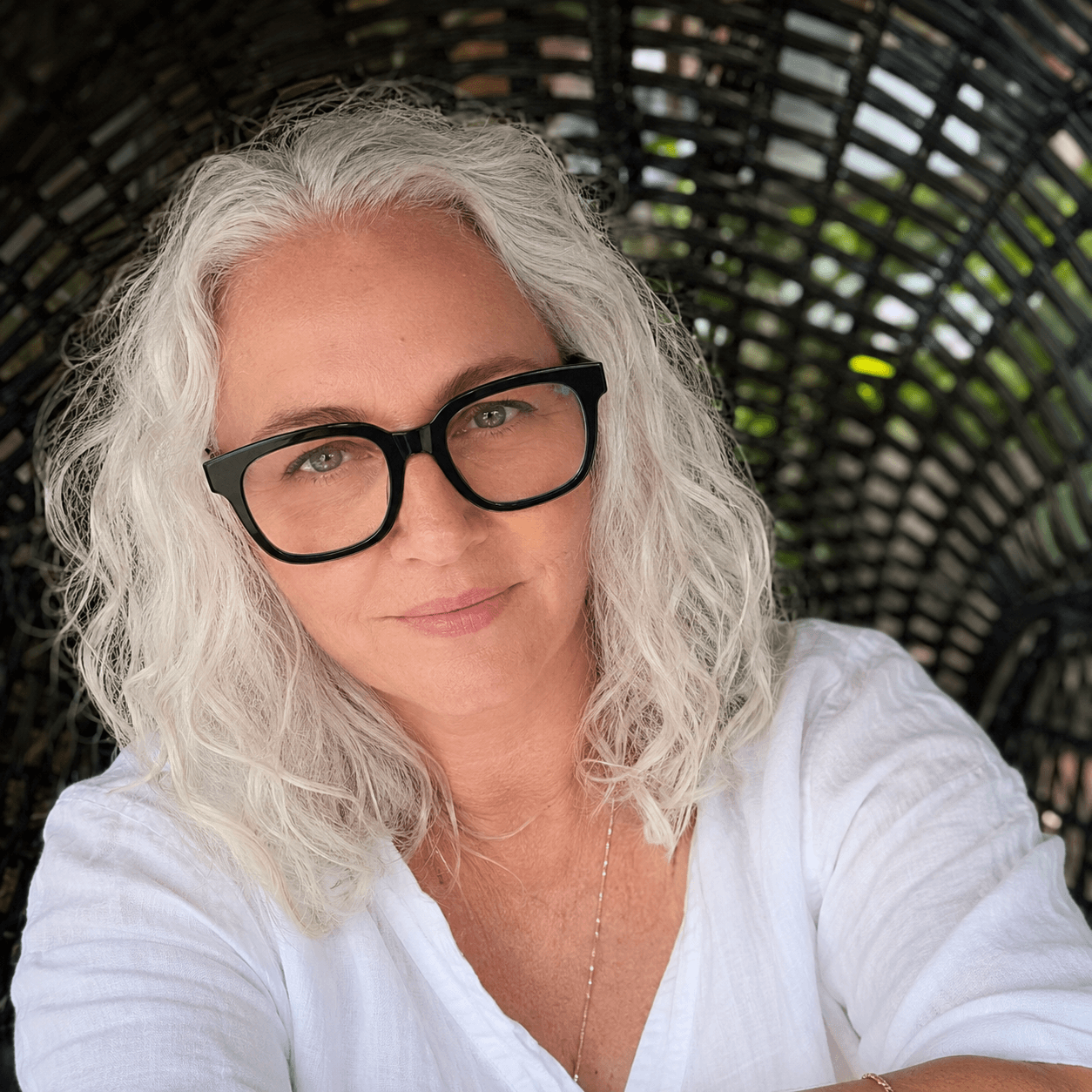
Hey, I'm Sonia
.I started Life Stuff after a family conversation about ageing parents made me realise how much important information exists only in people's heads.
My background is in marketing and strategy, and I've spent years turning messy information into clear, practical systems. That's exactly what Life Stuff is: simple, useful tools to help Australian families get the admin of living and dying sorted.
Based in Perth, Western Australia.


JOIN MY MAILING LIST

CONTACT US
+61 418 373 037
hello@lifestuff.com.au
Perth, Western Australia
For all the practical stuff that comes with living (and dying).


© 2026 Life Stuff